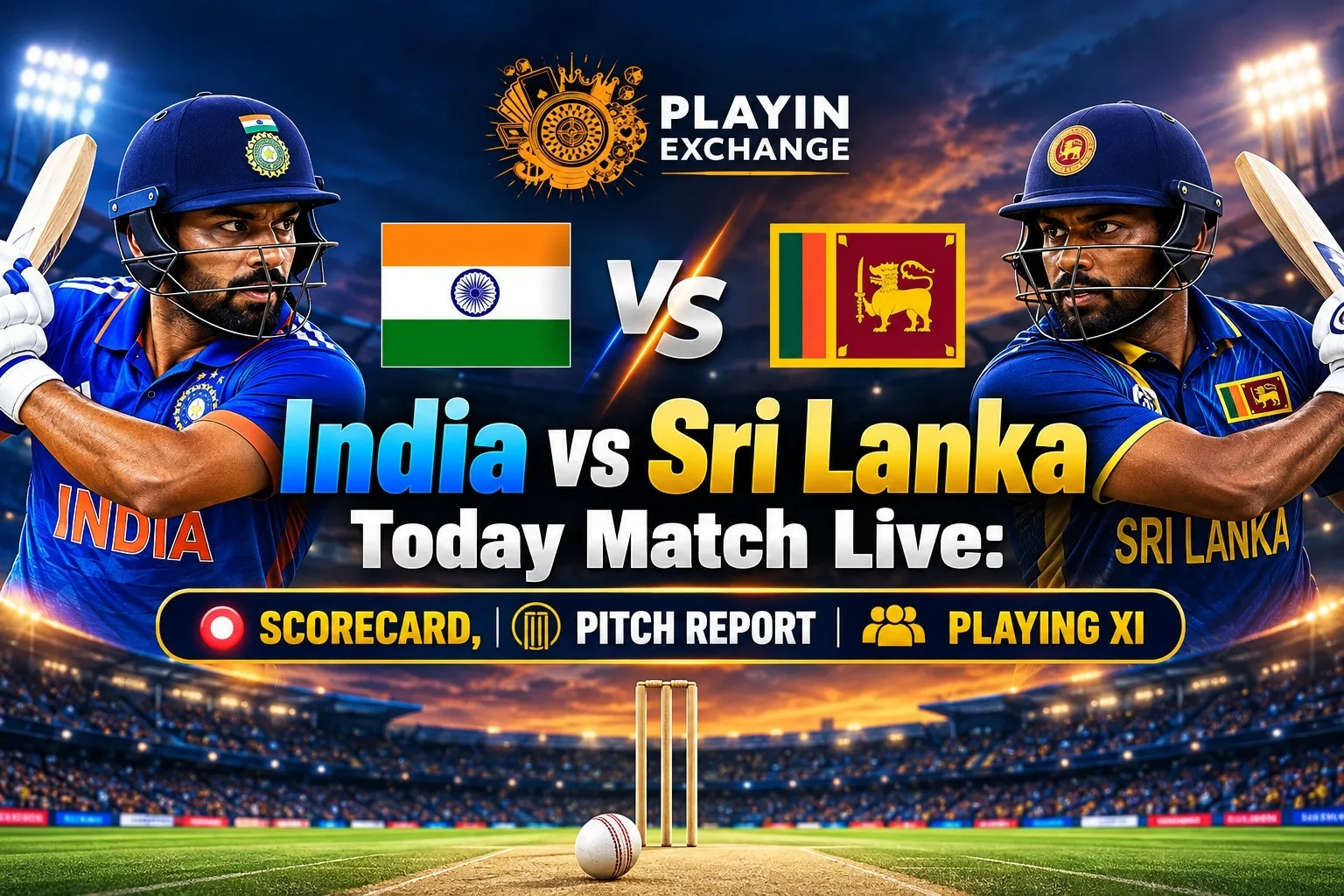
India’s Asian Games semi-final against Sri Lanka has finished, so this update brings together the completed scorecard, pitch assessment and confirmed teams. At Playmatches, we connect those details to explain the result. Whether you recognise Playmatch, follow Playinmatch or search for playinmatch login, the aim is a clear account of what happened and why it mattered.
Final Scorecard: India Win by 124 Runs
The men’s T20 semi-final took place on October 1, 2026, at Korogi Sports Park in Nisshin, Japan. Sri Lanka won the toss and elected to field.
| Team | Final score | Overs |
|---|---|---|
| India | 169/7 | 20 |
| Sri Lanka | 45 all out | 9.5 |
India won by 124 runs and advanced to the gold-medal match against Pakistan.
Ishan Kishan finished unbeaten on 80 from 46 deliveries. Vaibhav Sooryavanshi contributed 38 from 21 balls, providing another important part of India’s total.
Pitch Report: Timing Was More Difficult Than the Margin Suggests
Match reports described a surface offering turn, variable bounce and inconsistent pace. Those characteristics help explain why India’s batting required adjustment despite the eventual winning margin.
When deliveries arrive at different speeds, committing early to a shot can become costly. Variable bounce also makes familiar scoring options less dependable.
Our assessment is that the innings should be judged against those difficulties. A total of 169 cannot be evaluated properly by comparing it casually with scores from completely different venues.
The surface influenced the contest, but bowling accuracy, batting decisions and fielding also contributed.
Confirmed Playing XIs
India
Vaibhav Sooryavanshi, Abhishek Sharma, Sanju Samson (wicketkeeper), Shreyas Iyer (captain), Ishan Kishan, Tilak Varma, Shivam Dube, Axar Patel, Washington Sundar, Ravi Bishnoi and Jasprit Bumrah.
Sri Lanka
Lasith Croospulle, Sineth Jayawardena, Sohan de Livera (wicketkeeper), Ashen Bandara, Sahan Arachchige (captain), Nuwanidu Fernando, Chamika Karunaratne, Wanuja Sahan, Vijayakanth Viyaskanth, Tharindu Ratnayake and Binura Fernando.
These are the selected teams, not the wider squads or probable lineups circulated before the toss.
For Playmatches readers, that distinction prevents confusion. Whether arriving through Playmatch, checking Playinmatch or using a playinmatch login search, confirm the team’s status before interpreting its balance or individual player roles.
What the Team Selection Revealed
India’s XI offered several spin options alongside Bumrah. That versatility gave the captain different ways to approach the innings rather than relying on a single bowling method.
Samson was the designated wicketkeeper, while Kishan’s place also strengthened the batting. This is a useful example of why a player’s general classification does not always describe their assignment in a particular match.
For readers assessing quality, the question is how the selected skills fit the conditions and responsibilities. Counting recognised names alone tells only part of that story.
Two Performances That Explain the Result
Kishan’s innings gave India a batter who could stay through difficult periods and still contribute substantial runs. His unbeaten finish mattered because it carried the innings through to its conclusion.
Bumrah then took two wickets in the opening over of Sri Lanka’s reply. That immediately changed the chase, placing greater responsibility on the remaining batters.
The contrast is instructive: India found a way to build a defendable total, while Sri Lanka could not establish the partnerships needed to challenge it.
Making Match Information Easier to Use
Readers increasingly expect a quick answer followed by useful context. Clearly labelled scores and short sections improve reading comfort, especially when checking cricket on a phone.
A better customer experience also means distinguishing completed results from live updates. An old “live” headline should not leave someone wondering whether play continues.
The long-term value comes from reading the scorecard alongside conditions and selection. That approach supports thoughtful analysis across different matches without assuming one performance predicts the next.
Read Also : Playmatches Tournament Calendar and Event Planning Guide
Conclusion
India’s win combined batting adaptation with decisive early bowling. At Playmatches, we bring the score, surface and selections together. Whether you know Playmatch, follow Playinmatch or return through playinmatch login, use those details to understand the performance beyond its headline margin.
FAQs
Is the match still live?
No. The October 1 semi-final has finished.
What was the result?
India won by 124 runs.
Who scored most for India?
Ishan Kishan made an unbeaten 80.
What was the pitch like?
Reports described turn, variable bounce and inconsistent pace.
Were the listed XIs confirmed?
Yes. They were the teams selected for this match.