
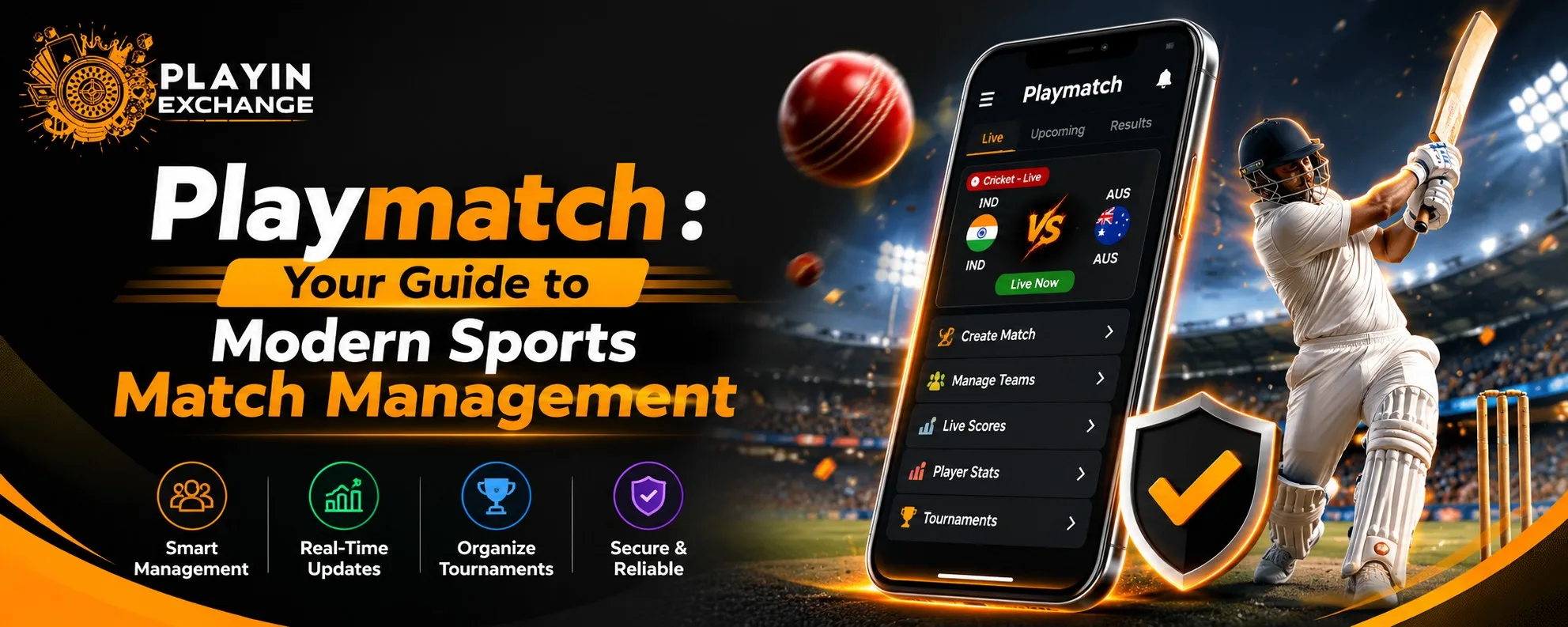
Organizing a sports match can involve more work than simply choosing a date and finding a venue. Players need to confirm availability, teams have to be arranged, schedules need to stay organized, and results should be recorded after the game. Playmatch brings these activities together in a more structured way, helping sports groups manage matches, players, schedules, and performance information from one convenient platform.
Why Modern Match Management Matters
Sports groups often rely on messaging apps, spreadsheets, phone calls, and handwritten notes to organize regular games. While these methods can work for small groups, they can quickly become confusing as the number of players and matches increases.
Modern match management focuses on keeping important information in one place. Players can know when and where a match is taking place, organizers can manage attendance, and teams can keep a clearer record of previous games.
This approach can save time while reducing unnecessary communication. More importantly, it allows players to spend less time organizing and more time enjoying the sport itself.
Making Match Organization Easier
One of the biggest advantages of a digital approach is simplicity. A useful sports management platform should make common tasks easy to understand, even for someone using it for the first time.
Match organizers may need to create a game, invite players, check attendance, arrange teams, and record results. Bringing these activities into a single workflow creates a more comfortable experience.
Current Playmatch services, for example, highlight group creation, match announcements, attendance voting, team formation, league management, and player ratings as key parts of the experience.
The goal is not to make sports management more complicated with additional technology. It is to remove unnecessary steps.
Supporting Better Team Management
Team organization can become challenging when players have different skill levels or positions. A balanced team can make recreational matches more enjoyable and competitive.
Digital tools can help organizers manage player information and create teams more efficiently. Some modern platforms also use player ratings or automated team-building features to support this process.
This is particularly useful for regular football groups, workplace teams, community clubs, and groups of friends who play together frequently.
The quality of the experience depends not only on the match itself but also on how smoothly the group can prepare for it.
Tracking Results and Player Performance
A match does not necessarily end when the final whistle goes. Keeping a record of results can make future games more engaging and provide useful information about player development.
Statistics such as appearances, wins, goals, assists, ratings, and previous results can help players understand their progress. They can also add a friendly competitive element to regular games.
Playmatch incorporates features such as player ratings, statistics, match history, and league information, giving users more ways to follow their sporting activity over time.
For organizers, structured records can also reduce the need to maintain separate spreadsheets or notes.
Comfort and Customer Experience
Ease of use has become an important part of almost every digital service. Sports players generally want to arrange a game quickly without navigating complicated menus or repeatedly entering the same information.
A good customer experience means that essential actions are easy to find. Match details should be clear, notifications should arrive at the right time, and users should be able to understand their next step without extensive instructions.
This matters especially for people who organize games alongside work, education, family responsibilities, and other commitments.
Versatility for Different Sports Groups
Sports communities are not all the same. Some groups play casually every weekend, while others organize leagues or manage multiple teams and venues.
A versatile platform can therefore provide value across different types of users. Players may want match scheduling and statistics, while organizers may need attendance and league tools. Venue operators can have different requirements around bookings, availability, and customer management.
Current Playmatch offerings show this broader ecosystem approach, with separate functionality for players, leagues, venues, and sports-related businesses.
Making Thoughtful Decisions About Digital Tools
Technology should be selected because it solves a real problem, not simply because it offers many features. Before adopting any sports management platform, users should consider how easy it is to use, what information it collects, whether the available features match their needs, and how transparent its policies are.
It is also worth considering digital sustainability. A centralized system can reduce repeated paperwork and unnecessary manual records, while organized scheduling may help groups avoid wasted bookings and unused venue time.
The best long-term choice is usually a platform that remains useful as a group grows rather than one that only solves a short-term problem.
The Future of Sports Match Management
Customer expectations are changing. People increasingly expect services to be accessible from mobile devices, provide timely information, and reduce repetitive tasks.
Sports management is following the same direction. Features such as online venue booking, automated schedules, digital statistics, live match updates, notifications, and intelligent assistance are becoming more common across modern sports platforms.
For sports groups, this can mean fewer organizational headaches and a clearer experience from match planning through post-game analysis.
Conclusion
Modern sports match management is ultimately about making participation easier. When scheduling, team organization, communication, venue information, and performance records are handled efficiently, players can focus more on the sport they enjoy.
For groups looking for a structured way to manage their sporting activities, Playmatches represents the broader shift toward convenient, organized, and user-focused sports management. The right platform should offer practical value today while remaining flexible enough to support changing needs tomorrow.
FAQs
What is Playmatch used for?
Playmatch is designed to help users organize sports activities, including groups, matches, teams, schedules, statistics, and other match-management tasks.
Can sports groups use Playmatch for regular matches?
Yes. Sports groups can use digital match-management features to organize regular games, communicate with participants, manage attendance, and maintain records of previous matches.
Why is digital match management useful?
Digital match management can reduce manual work by bringing schedules, player information, match details, and results together in one organized system. This can make planning easier for both players and organizers.
Can match management platforms track player performance?
Many modern sports management platforms provide features such as statistics, player ratings, and match history. These tools can help users monitor individual and team performance over time.
What should I consider before choosing a sports management platform?
Consider factors such as ease of use, available features, mobile accessibility, privacy practices, pricing, customer support, and whether the platform can meet your group’s long-term requirements.